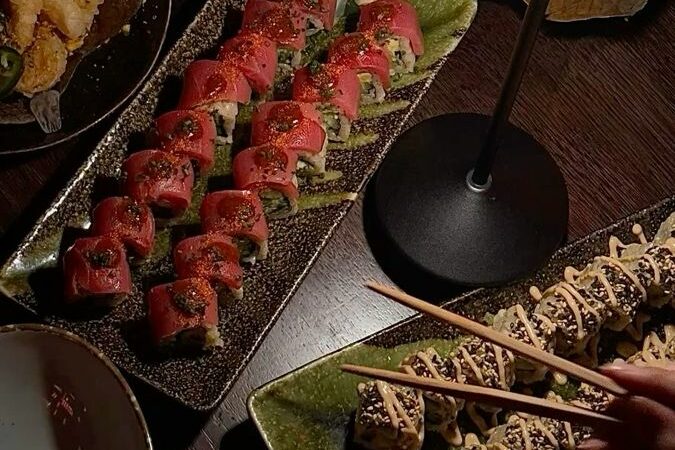

There is something about eating sushi on the water that makes every bite taste better, and this boat-side sushi platter is built to travel. Instead of fussing with a hundred tiny components, you roll three crowd-pleasing fillings, pack them into a sturdy platter, and let the view do the rest.
Advertisements1
The trick is choosing sushi that holds up outside: seasoned rice cooled properly, fillings that do not leak, and a few no-cook sides that balance the richness of the fish. Everything here can be prepped on land, then assembled in minutes once you are dockside.
The platter feeds six generously with 30 pieces, a bright seaweed salad, and a tangy ponzu dip, so it works equally well for a sunset boat picnic or a backyard dock party.
Why You'll Love This Recipe
About the Ingredients
3 cups (600g) short-grain sushi rice
Short-grain is essential for sticky, rollable rice; do not substitute long-grain or jasmine, which will not hold together. Look for bags labeled 'sushi rice' or 'calrose' at the store.
1/3 cup (80ml) rice vinegar
Use plain unseasoned rice vinegar, not seasoned 'sushi vinegar,' so you control the sugar. In a pinch, white wine vinegar plus a pinch of sugar works.
3 tbsp (38g) granulated sugar
Fine white sugar dissolves fastest into warm rice; honey can replace it but darkens the rice slightly.
1 1/2 tsp (9g) fine sea salt
Fine sea salt blends evenly; if using kosher salt, use a slightly heaped 1 1/2 teaspoons.
10 oz (285g) sashimi-grade salmon, sliced into thin strips
Ask the fish counter for the freshest sashimi-grade fillet and have them slice it; frozen-then-thawed sashimi-grade fish is a safe, budget-friendly swap.
8 oz (225g) sashimi-grade tuna, finely chopped
Chopped tuna makes the spicy filling; keep it ice-cold until mixing so it stays firm and glossy.
2 tbsp (30g) mayonnaise plus 1 tsp sriracha
Full-fat mayo gives the creamiest texture; Greek yogurt works for a lighter version but add an extra dash of sriracha.
6 sheets nori (roasted seaweed)
Choose shiny, dark green nori with no brown edges; toast briefly over a flame if it smells stale.
1 large avocado, sliced
A ripe avocado should yield to gentle pressure; a firm one can be ripened in a paper bag with a banana for a day.
1 cucumber and 1 carrot, cut into thin matchsticks
English cucumber has fewer watery seeds; swap in pickled daikon for a tangier crunch.
2 cups (100g) prepared seaweed salad
Buy it from the refrigerated sushi case; a quick homemade version is wakame rehydrated in warm water and tossed with sesame oil and vinegar.
1/2 cup (120ml) ponzu sauce for dipping
Ponzu is citrus-soy; if unavailable, mix 1/4 cup soy sauce with 2 tbsp lemon juice and 1 tsp sugar.
Tips & Tricks
Cool Rice Properly
Spread seasoned rice on a wide tray and fan it until it reaches room temperature, about 10 minutes, or steam will make the nori soggy.
Keep Hands Wet
Dip your fingers in vinegared water before pressing rice so it spreads evenly without sticking or tearing the nori.
Pack the Platter Tight
Nestle rolls cut-side up against each other so they do not roll around during transport, and keep the dip in a screw-top jar.
Chill the Fish Hard
Work with fish straight from the refrigerator and return unused portions to a cooler within 20 minutes for food safety.
Pro Tips
Step-by-Step Instructions
1. Rinse and Cook Rice
Rinse the rice under cold water until it runs clear, then cook with 3 1/4 cups water in a rice cooker or covered pot. Bring to a boil, reduce to a bare simmer at 200F (93C) for 18 minutes, and pull it off when the water is absorbed and the grains are tender but still separate.
2. Season the Rice
Warm the vinegar, sugar, and salt in a small saucepan over low heat at 150F (65C) for 2 minutes until dissolved, then fold gently into the hot rice. Spread on a tray and fan until room temperature, about 10 minutes, when the rice looks glossy and clumps softly.
3. Mix the Spicy Tuna
Stir the mayonnaise and sriracha together, then fold in the chopped tuna until just coated. Keep it cold; the mixture should look pale pink and hold together when pressed.
4. Set Up the Rolling Station
Lay a bamboo mat wrapped in plastic on a board, place a nori sheet shiny-side down, and keep a bowl of vinegared water nearby. Have the salmon strips, avocado, cucumber, and carrot in small bowls within reach.
5. Roll the Salmon Rolls
Spread about 3/4 cup rice over the nori, leaving a 1-inch border, then lay salmon and avocado along the center. Roll firmly with the mat, pressing to seal; the roll should feel tight and spring back when squeezed.
6. Roll the Spicy Tuna and Veggie Rolls
Repeat with the tuna mixture for two rolls and the cucumber-carrot mix for two more, keeping the fillings in a narrow line so the rolls close cleanly. You should end up with six rolls total.
7. Slice and Arrange
Wipe a sharp knife with a wet cloth and cut each roll into five pieces, wiping between cuts. Arrange cut-side up on the platter in tight rows, alternating colors.
8. Finish the Platter
Tuck the seaweed salad into a corner, add the ponzu in a small jar, and garnish with sesame seeds. Cover and keep chilled until serving, no more than 2 hours on ice.
Delicious Variations
Cooked Shrimp Version
Swap the raw fish for poached shrimp and smoked salmon so the platter is fully cooked and safe for longer outings.
Brown Rice Platter
Use cooked short-grain brown rice for a nuttier, higher-fiber base, adding 1 extra tablespoon vinegar to compensate.
Poke Bowl Style
Skip the nori and serve the rice, fish, and vegetables in bowls with ponzu poured over, which is easier to eat on a moving boat.
How to Store Boat-Side Sushi Platter
Refrigerator
Store assembled rolls in an airtight container for up to 24 hours, but keep the seaweed salad and ponzu separate. Press plastic wrap directly onto the cut ends to stop the rice drying out.
Freezer
Do not freeze assembled rolls; the rice turns hard and watery. You can freeze the seasoned rice flat in bags for up to 1 month and thaw overnight.
Reheating
Sushi is best cold; if rice has hardened, microwave loosely covered with a damp paper towel for 20 seconds at a time, but never reheat the raw fish.
Frequently Asked Questions
Q: Can I make this sushi platter ahead of time?
Yes, you can roll the sushi up to 12 hours ahead and refrigerate it tightly wrapped. Keep the fish cold, add the seaweed salad and ponzu just before leaving, and transport the platter in a cooler with ice packs.
Q: Is it safe to eat raw salmon and tuna on a boat?
Only use fish labeled sashimi-grade and keep it below 40F (4C) the entire time. Once the platter has been out for 2 hours, discard any remaining raw fish, or choose the cooked shrimp variation for hot days.
Q: How many sushi rolls do I need per person?
Plan on about five pieces, or one roll, per person as a starter, and two rolls per person for a full meal. This platter makes 30 pieces, which feeds six as a main course.
Q: What can I use instead of a bamboo mat?
A clean kitchen towel or a sheet of parchment paper works fine in place of a bamboo mat. Press firmly and use the edges to tuck the roll as you go.
Q: Why is my sushi rice too sticky or too dry?
Usually it is the rinse and the cooling; unrinsed rice turns gluey, and rice cooled without fanning traps steam. Rinse until the water is clear, then spread and fan the seasoned rice to room temperature.
Pack your cooler, roll these three fillings, and let the water do the rest. Tag your boat-side spread with a photo so the next crew knows exactly what to bring.
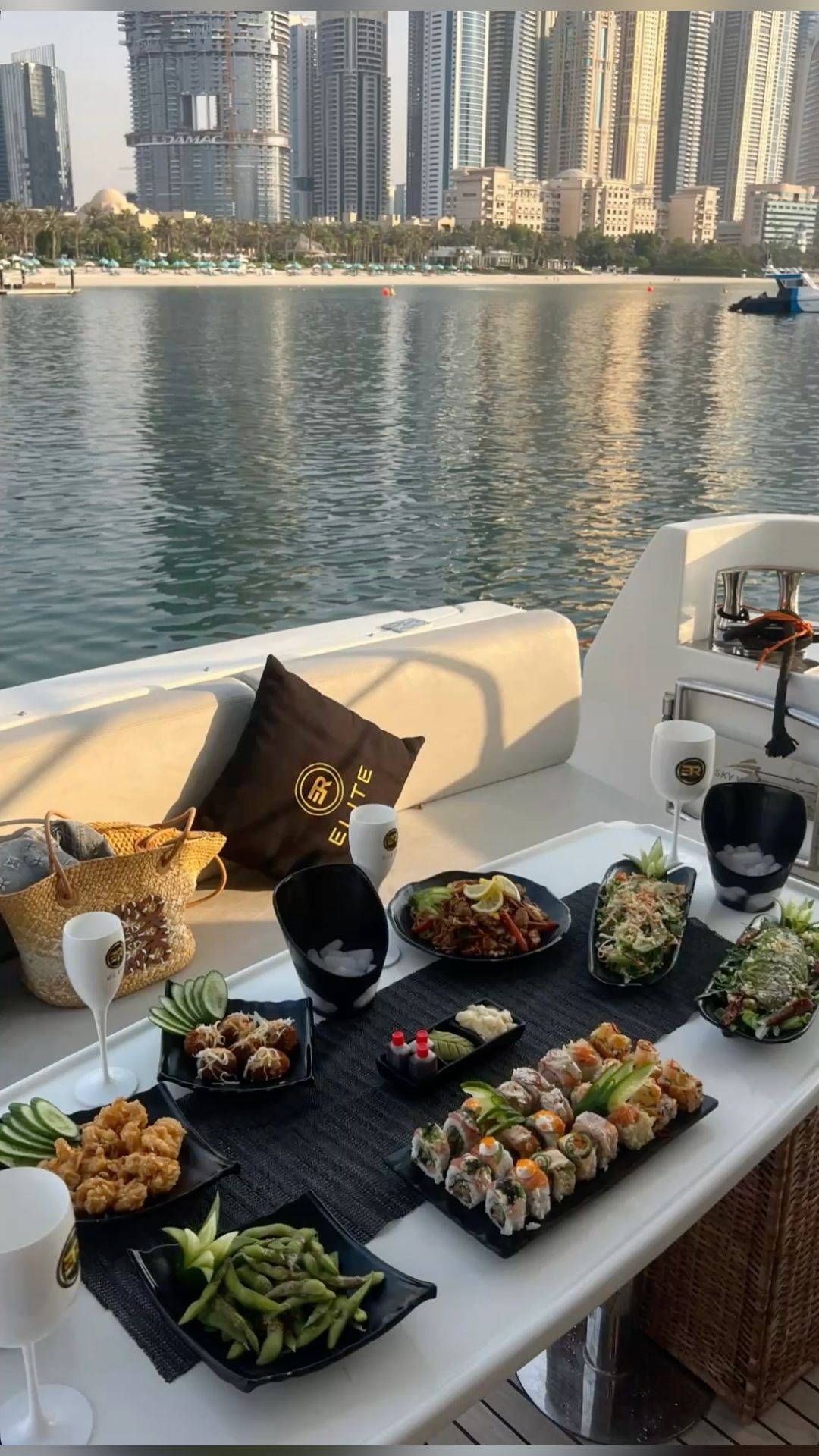
Boat-Side Sushi Platter
This boat-side sushi platter delivers 30 pieces of fresh salmon, tuna, and veggie rolls plus crisp sides, ready in 50 minutes for a stunning waterside feast.
🧂 Ingredients
- 3 cups (600g) short-grain sushi rice
- 1/3 cup (80ml) rice vinegar
- 3 tbsp (38g) granulated sugar
- 1 1/2 tsp (9g) fine sea salt
- 10 oz (285g) sashimi-grade salmon, sliced into thin strips
- 8 oz (225g) sashimi-grade tuna, finely chopped
- 2 tbsp (30g) mayonnaise plus 1 tsp sriracha
- 6 sheets nori (roasted seaweed)
- 1 large avocado, sliced
- 1 cucumber and 1 carrot, cut into thin matchsticks
- 2 cups (100g) prepared seaweed salad
- 1/2 cup (120ml) ponzu sauce for dipping
📋 Instructions
- 1Rinse and Cook Rice — Rinse the rice under cold water until it runs clear, then cook with 3 1/4 cups water in a rice cooker or covered pot. Bring to a boil, reduce to a bare simmer at 200F (93C) for 18 minutes, and pull it off when the water is absorbed and the grains are tender but still separate.
- 2Season the Rice — Warm the vinegar, sugar, and salt in a small saucepan over low heat at 150F (65C) for 2 minutes until dissolved, then fold gently into the hot rice. Spread on a tray and fan until room temperature, about 10 minutes, when the rice looks glossy and clumps softly.
- 3Mix the Spicy Tuna — Stir the mayonnaise and sriracha together, then fold in the chopped tuna until just coated. Keep it cold; the mixture should look pale pink and hold together when pressed.
- 4Set Up the Rolling Station — Lay a bamboo mat wrapped in plastic on a board, place a nori sheet shiny-side down, and keep a bowl of vinegared water nearby. Have the salmon strips, avocado, cucumber, and carrot in small bowls within reach.
- 5Roll the Salmon Rolls — Spread about 3/4 cup rice over the nori, leaving a 1-inch border, then lay salmon and avocado along the center. Roll firmly with the mat, pressing to seal; the roll should feel tight and spring back when squeezed.
- 6Roll the Spicy Tuna and Veggie Rolls — Repeat with the tuna mixture for two rolls and the cucumber-carrot mix for two more, keeping the fillings in a narrow line so the rolls close cleanly. You should end up with six rolls total.
- 7Slice and Arrange — Wipe a sharp knife with a wet cloth and cut each roll into five pieces, wiping between cuts. Arrange cut-side up on the platter in tight rows, alternating colors.
- 8Finish the Platter — Tuck the seaweed salad into a corner, add the ponzu in a small jar, and garnish with sesame seeds. Cover and keep chilled until serving, no more than 2 hours on ice.